You’re curious about the lifestyle—maybe you’re actively exploring it, maybe you’re just researching—and you want to learn more beyond forum posts and random articles. Or maybe you’re surprised to discover how often swinging and hotwife dynamics show up in mainstream media, from critically acclaimed films to popular TV shows.
The lifestyle has a rich presence in both educational literature and entertainment media, though it’s often misunderstood, sensationalized, or used as a plot device rather than portrayed authentically. Some representations are thoughtful and realistic; others are exploitative or laughably inaccurate.
This is your complete guide to lifestyle representation in books, movies, TV, and other media—what to read to actually learn, what entertainment gets it right, what gets it hilariously wrong, and the surprising places lifestyle dynamics appear in mainstream culture.
💡 Quick Tip: This guide is organized by category, so you can jump to what interests you most. Looking for educational resources? Start with the books section. Want entertainment? Check out the movies and TV sections.
📚 Educational Books: Actually Learning About the Lifestyle
Let’s start with books that will genuinely help you understand ethical non-monogamy, swinging, and related dynamics.
The Essential Foundation
⭐ Must-Read: These books form the foundation of understanding ethical non-monogamy
“The Ethical Slut” by Dossie Easton and Janet Hardy - Buy on Amazon
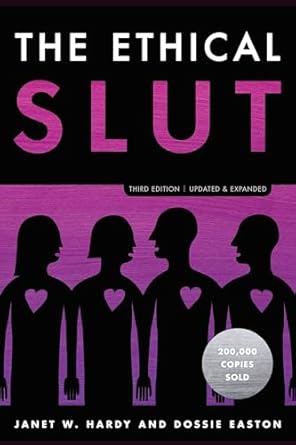
What it is: The classic text on ethical non-monogamy, first published in 1997 and updated multiple times.
What it covers:
- Philosophy of ethical non-monogamy
- Managing jealousy and compersion
- Communication strategies
- Different relationship configurations
- Practical advice for navigating open relationships
Why it’s essential: This is the foundational text. It’s not specifically about swinging, but it covers the ethical and emotional framework that makes all forms of non-monogamy work.
Who should read it: Anyone considering any form of non-monogamy. Start here.
Note: Some find the language dated or overly idealistic, but the core concepts remain valuable.
“Opening Up” by Tristan Taormino - Buy on Amazon

What it is: A comprehensive guide to various forms of open relationships, published in 2008.
What it covers:
- Different models of open relationships (swinging, polyamory, etc.)
- How to negotiate agreements
- Jealousy and emotional management
- Real stories from people in various configurations
- Practical decision-making frameworks
Why it’s valuable: More structured and practical than “The Ethical Slut.” Excellent for couples trying to decide what model might work for them.
Who should read it: Couples in the planning/consideration phase. Great for understanding options.
“The Jealousy Workbook” by Kathy Labriola - Buy on Amazon

What it is: A practical, exercise-based book specifically about managing jealousy in open relationships.
What it covers:
- Understanding jealousy triggers
- Exercises for processing jealousy
- Communication techniques
- Building security in open relationships
Why it’s valuable: Jealousy is the biggest challenge most people face. This gives you actual tools and exercises.
Who should read it: Anyone struggling with jealousy or wanting to prepare for it.
Swinging-Specific Books
🎯 Focused Learning: Books specifically about swinging culture and practices
“The Lifestyle: A Look at the Erotic Rites of Swingers” by Terry Gould - Buy on Amazon

What it is: A journalist’s investigation into swinging culture, published in 1999.
What it covers:
- History of swinging in America
- Ethnographic research from swing clubs
- Interviews with swingers
- Cultural and sociological analysis
Why it’s valuable: One of the few serious, non-sensationalized examinations of swinging culture. Academic but accessible.
Who should read it: People wanting to understand the cultural context and history of swinging.
Note: Some information is dated (pre-internet era) but the cultural analysis remains relevant.
“Swinging for Beginners” by Kaye Bellemeade - Buy on Amazon

What it is: A practical guide specifically for couples new to swinging.
What it covers:
- How to start conversations with your partner
- Finding other couples
- Club etiquette
- Common mistakes
- Communication strategies
Why it’s valuable: Directly addresses the beginner experience with practical advice.
Who should read it: Couples actively considering entering the lifestyle.
Hotwife-Specific Books
The hotwife dynamic has fewer dedicated educational books and more erotic fiction. Here are the legitimate resources:
Note: Some of the evolutionary psychology is speculative, but it’s thoughtful and research-based.
Communication and Relationship Books
“Mating in Captivity” by Esther Perel - Buy on Amazon

What it is: Exploration of sexuality and desire in long-term relationships by renowned therapist.
What it covers:
- How domesticity affects desire
- Maintaining erotic connection in committed relationships
- The paradox of security and passion
- Not specifically about non-monogamy but addresses why couples seek novelty
Why it’s valuable: Helps understand why people explore the lifestyle. Excellent for processing motivations.
Who should read it: Anyone in long-term relationships, whether lifestyle or not.
“The State of Affairs: Rethinking Infidelity” by Esther Perel - Buy on Amazon

What it is: Exploration of infidelity and its impact on relationships by renowned therapist.
What it covers:
- Understanding why affairs happen
- The difference between consensual and non-consensual non-monogamy
- Processing betrayal and rebuilding trust
- Cultural perspectives on infidelity
Why it’s valuable: Helps distinguish consensual non-monogamy from cheating. Good for processing feelings.
Who should read it: Couples processing past infidelity or working to understand the difference between consensual and non-consensual non-monogamy.
“Insatiable Wives: Women Who Stray and the Men Who Love Them” by David J. Ley - Buy on Amazon

What it is: Psychological exploration of the hotwife dynamic and cuckold fantasies.
What it covers:
- Understanding hotwife psychology
- Male psychology behind cuckold fantasies
- Relationship dynamics in consensual non-monogamy
- Research-based insights into these dynamics
Why it’s valuable: Provides psychological understanding of hotwife dynamics beyond just erotic fiction.
Who should read it: Couples exploring hotwife dynamics or wanting to understand the psychology behind these desires.
“More Than Two” by Franklin Veaux and Eve Rickert - Buy on Amazon

What it is: Comprehensive guide to polyamory (though concepts apply broadly).
What it covers:
- Communication in non-monogamous relationships
- Managing multiple relationships
- Emotional processing
- Practical logistics
Why it’s valuable: Excellent communication frameworks applicable to any form of non-monogamy.
Who should read it: Anyone in open relationships, even if not polyamorous.
Note: There’s been controversy about one author’s behavior. The content remains useful; context is worth knowing.
“Designer Relationships” by Mark A. Michaels and Patricia Johnson - Buy on Amazon

What it is: Guide to creating custom relationship structures that work for you.
What it covers:
- Moving beyond traditional relationship models
- Designing relationships that fit your needs
- Communication tools for non-traditional arrangements
- Practical frameworks for various relationship styles
Why it’s valuable: Encourages couples to think creatively about what works for them rather than following societal norms.
Who should read it: Couples wanting to explore alternative relationship structures.
“Polyamory in the 21st Century” by Deborah Anapol - Buy on Amazon
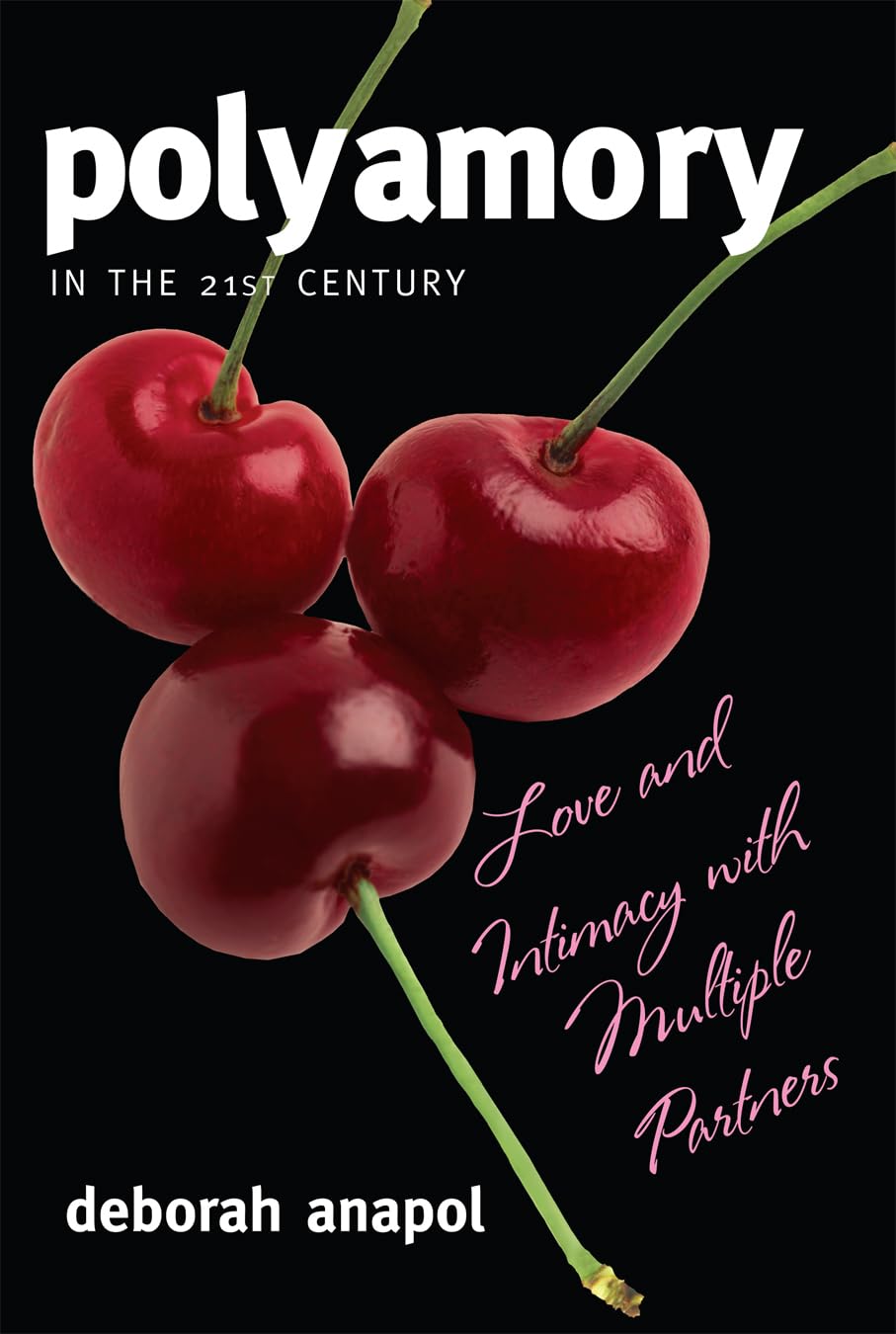
What it is: Updated exploration of polyamory in modern times.
What it covers:
- Evolution of polyamory concepts
- Modern challenges and opportunities
- Technology’s impact on multiple relationships
- Contemporary polyamory practices
Why it’s valuable: Provides current perspective on how polyamory has evolved and adapted to modern life.
Who should read it: Those interested in understanding contemporary polyamory beyond basic concepts.
🔥 Erotic Fiction: The Good, The Bad, The Unrealistic
Erotic fiction about swinging and hotwife dynamics is abundant but varies wildly in quality and realism.
⚠️ Reality Check: Most hotwife erotica is written by men for men and emphasizes fantasy over reality. Read for entertainment, not education.
Actually Good Erotic Fiction
✨ Quality Reads: Literary fiction that happens to be erotic
“The Surrender” by Toni Bentley - Buy on Amazon
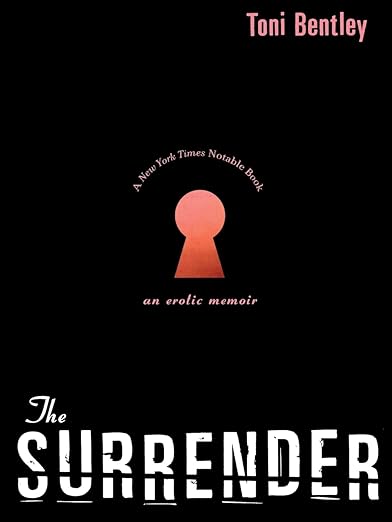
What it is: Memoir/erotic exploration of anal sex and sexual awakening (touches on non-monogamy).
Why it’s notable: Beautifully written, literary, explores female sexuality authentically.
“Vox” by Nicholson Baker - Buy on Amazon
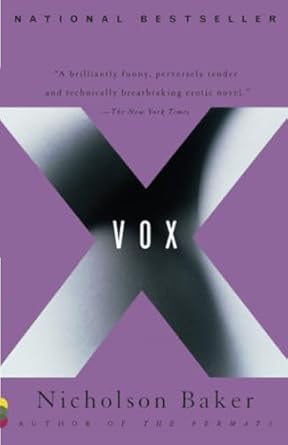
What it is: Novel told entirely through phone sex conversation between strangers.
Why it’s notable: Explores fantasy and desire. Literary fiction that’s genuinely erotic.
“The Story of O” by Pauline Réage - Buy on Amazon
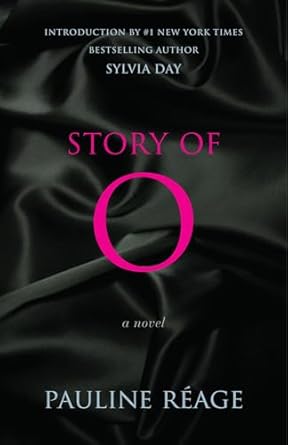
What it is: Classic BDSM erotic novel from 1954.
Why it’s notable: Historical importance, explores female submission and sexuality. Controversial but influential.
Note: Not about swinging specifically, but explores alternative sexuality.
The Hotwife Erotica Genre
Reality check: Most “hotwife” erotica on Amazon and similar platforms is:
- Written by men for men
- Emphasizes cuckold humiliation themes
- Focuses on stereotypes (BBC, size comparisons, etc.)
- Unrealistic about actual dynamics
- Often poorly written
A few better options:
- Books by Kirsten McCurran (husband-and-wife team writing realistic suburban hotwife scenarios)
- Books by Alessandra Torre (quality erotic fiction with psychological depth)
- Books by Katee Robert (well-written taboo romance and erotica)
- Look for books marketed as “realistic” or “authentic”
The problem: Most hotwife erotica reinforces fantasies rather than reflecting reality. Read for entertainment, not education.
Recommended Hotwife Erotica: Kirsten McCurran
“Kirsten McCurran” is the pen name of a husband and wife team exploring the sexy secrets of middle-class, suburban couples. This couple has a dirty little secret: they have lots of fantasies about what all their friends and neighbors are up to behind closed doors, and they turn those sexy fantasies into the stories they love to share with the world. The Mrs. could be the sweet mom you see in the stands at the soccer game or the pretty woman at the supermarket you wonder about as she’s squeezing the melons. The Mr. could be your kid’s little league coach.
Most of their stories are about married women looking to bust out and explore their wild side, often with the encouragement of their husbands—and sometimes without it. The strength of the couple behind Kirsten McCurran is that husband and wife writing together can uniquely capture the feelings of both partners in their couples as they explore their most forbidden desires.
The Mrs. is all about exploring stories of daring women of a certain age exploring their sexuality, and the Mr. captures the feelings of the men who love them.
“Good Wives, Bad Behavior: 5 Sexy Hotwife Stories” - Buy on Amazon
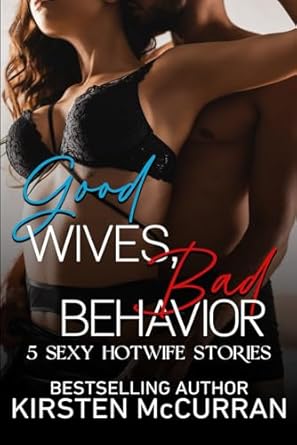
From the mind of one of hotwife erotica’s best-selling writers comes a new collection of 5 sultry stories featuring sexy suburban couples exploring their sexuality with their friends and neighbors. These very good wives behaving very badly could be the woman you see at the grocery store or the president of your local PTA.
“Tara’s Homecoming: A Shared Wife Adventure” - Buy on Amazon

Tara usually passes on her husband’s bro weekend with all his buddies at the Lockley University homecoming game, even though she knows all of them from their college days. But it’s their 20th year of tailgating, and she decides to see if the boys are as wild as they used to be. A weekend away can change everything.
Other Recommended Erotica
“Filthy Vows” - Buy on Amazon

Author: Alessandra Torre
Would you tell your husband everything? Every torrid thought? Every twisted fantasy? The forbidden images that slink into your mind in your most vulnerable moments? I shouldn’t have. I hesitated to. But I did. And my husband? He gave them all to me.
“Twisted Marriage (Filthy Vows)” - Buy on Amazon
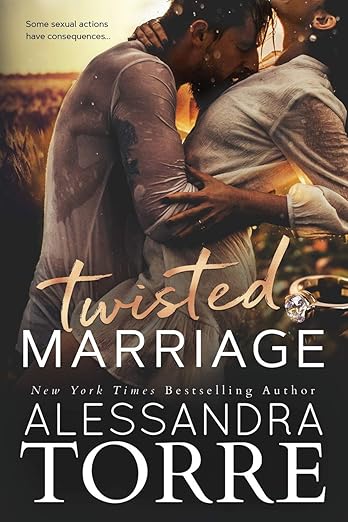
Author: Alessandra Torre
Some sexual actions have consequences… We thought we could branch outside of the norm. Explore my sexual fantasies. Dip our toes in a kinky pond just to see how it felt. But you can’t have sex with your husband’s best friend in front of him without consequences.
“Gifting Me To His Best Friend (A Touch of Taboo)” - Buy on Amazon
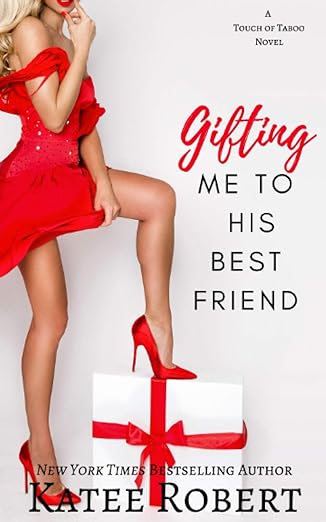
Author: Katee Robert
This Christmas, my husband is going with an unconventional gift for his best friend. Me. It’s only supposed to be for one night… But one night becomes two, becomes our entire vacation.
“Accidental Hotwife: An Erotic Interracial Adventure” - Buy on Amazon
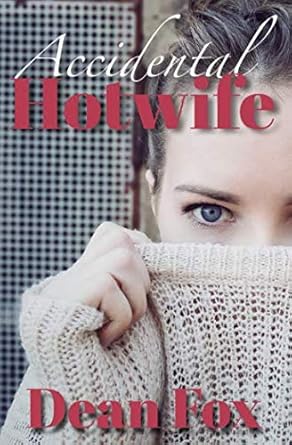
Author: Dean Fox
What If A Secret Sexual Fantasy Suddenly Turns Real? Jon and Cheryl are happily married and in love. But Jon has a secret desire for his wife to be pleasured by other men. He devises a game. Cheryl will flirt with other men in public, and he’ll watch from a distance.
“Breaking Boundaries” - Buy on Amazon

Author: Gemma Blythe
“One of the best poly romances I’ve ever read.” - Goodreads review. The beach isn’t the only thing heating up on this couples vacation. My life is pretty perfect–a house, three kids, and an amazing husband. Nothing could convince me to risk everything I’ve built with Rafe. Until we go on a couples vacation with our best friends.
🎬 Mainstream Movies: Swinging on Screen
Swinging has appeared in mainstream cinema more often than you might expect, with varying degrees of authenticity.
🎭 Entertainment vs. Education: These films are entertainment first—don’t expect accurate lifestyle representation
Movies That Take It Seriously
“The Lifestyle” (1999)
What it is: Documentary following real couples in the swinging lifestyle.
What it shows: Actual lifestyle clubs, real couples discussing their experiences, authentic portrayal.
Why it matters: One of the few genuine documentaries rather than sensationalized content.
Where to watch: Various streaming services, sometimes YouTube.
“Palm Swings” (2017)
What it is: Comedy-drama about a couple exploring swinging in Palm Springs.
What it shows: The awkwardness and humor of first-time lifestyle experiences, realistic portrayal of club dynamics.
Why it matters: Balances comedy with genuine relationship dynamics, shows both the fun and challenges.
Reality level: Surprisingly accurate for a comedy - captures the social awkwardness and excitement well.
Where to watch: Various streaming platforms including Amazon Prime.
“Bob & Carol & Ted & Alice” (1969)
What it is: Comedy-drama about two couples exploring sexual experimentation.
What it shows: 1960s sexual revolution, couples therapy leading to exploring non-monogamy, cultural attitudes of the era.
Why it matters: Historically significant. Explores the emotional complexity, not just the sex.
Cultural impact: Nominated for four Academy Awards. Took the subject seriously while being entertaining.
Note: Dated by modern standards but important cultural artifact.
“Wanderlust” (2012)
What it is: Comedy with Paul Rudd and Jennifer Aniston about a couple joining a commune.
What it shows: Free love commune, exploration of alternative relationship styles, comedy about mainstream people encountering non-monogamy.
Why it’s notable: Mainstream comedy that includes lifestyle elements, though played for laughs.
Reality level: Low. It’s a comedy. Don’t expect realism.
“The Ice Storm” (1997)
What it is: Drama directed by Ang Lee about 1970s suburban malaise and partner swapping.
What it shows: Key party culture in 1970s suburbs, emotional consequences, darker side of swinging.
Why it matters: Serious examination of swinging’s emotional impact. Not pornographic or sensationalized.
Critical reception: Highly acclaimed. Treats subject matter with gravitas.
Note: Dark and melancholic. Shows swinging as symptom of deeper disconnection.
“A Perfect Couple” (1979)
What it is: Robert Altman film about an unlikely romance.
What it shows: Includes swinging party scene, cultural context of late 1970s.
Why it’s notable: Altman’s observational style, treats characters with humanity.
“Swingers” (1996)
What it is: WAIT—this is about single guys in LA, not lifestyle swinging!
Why it’s here: Commonly confused due to title. No actual swinging content. Still a great movie.
Movies That Get It Wrong (But Are Entertaining)
“Swinging Safari” (2018)
What it is: Australian comedy about 1970s suburban swingers.
What it shows: Exaggerated, comedic version of swinging culture.
Reality level: Low. It’s broad comedy. Fun but not educational.
“She’s Out of My League” (2010)
What it is: Rom-com where a character’s ex is in an open relationship.
What it shows: Brief portrayal of non-monogamy, mostly played for laughs.
Reality level: Superficial treatment, but not entirely mocking.
“Hall Pass” (2011)
What it is: Comedy about wives giving husbands a “week off” from marriage.
What it shows: Male fantasy version of “permission” to cheat.
Reality level: Very low. Not consensual non-monogamy. More like sanctioned cheating.
Note: Widely criticized for shallow treatment of the premise.
Movies Where Swinging Is a Plot Device
“Eyes Wide Shut” (1999)
What it is: Stanley Kubrick’s final film, Tom Cruise and Nicole Kidman in psychological drama.
What it shows: Secret sex party, masked orgy, exploration of sexual fantasy and jealousy.
Why it’s notable: Artful, mysterious, explores sexual obsession. The party scene is iconic.
Reality level: Extremely stylized. Not realistic portrayal of actual lifestyle events.
Cultural impact: Huge. People reference this when they imagine “elite” swinging.
“Neighborhood Watch” (2012) - UK version “The Watch”
What it is: Comedy where suburban dads start a neighborhood watch.
What it shows: One character’s wife is discovered to be in the lifestyle.
Reality level: Played for laughs, brief mention.
“Blockers” (2018)
What it is: Comedy about parents trying to stop their daughters from losing virginity on prom night.
What it shows: One parent couple is revealed to be in the lifestyle.
Why it’s notable: Casual, positive portrayal. They’re happy, functional, and it’s not made into a big deal.
Reality level: Brief but surprisingly non-judgmental.
📺 TV Shows: Lifestyle on the Small Screen
Television has explored swinging and open relationships with increasing frequency.
📱 Streaming Era: Modern streaming shows are more willing to explore complex relationship dynamics
Shows With Significant Lifestyle Content
“Easy” (Netflix, 2016-2019)
What it is: Anthology series about relationships in Chicago.
What it shows: Multiple episodes exploring non-monogamy, swinging, open relationships.
Why it’s notable: Thoughtful, realistic portrayal. Characters navigate complexity. Shows communication and challenges.
Reality level: High. One of the most realistic mainstream portrayals.
Episodes to watch: Season 1, Episode 6 “Spent Grain” focuses on a couple exploring swinging.
“Swingtown” (CBS, 2008)
What it is: Drama series about 1970s suburban swingers.
What it shows: Two couples, one introduces the other to swinging, cultural context of 1970s sexual revolution.
Why it’s notable: Rare TV series with swinging as central theme. Only lasted one season.
Reality level: Moderate. Hollywood-ified but explores emotional complexity.
What happened: Canceled after one season despite critical acclaim. Too edgy for network TV.
“You Me Her” (2016-2020)
What it is: Rom-com series about a married couple who start dating the same woman.
What it shows: Polyamorous/throuple relationship, navigating social judgment, relationship complexity.
Why it’s notable: First mainstream polyamory-focused series.
Reality level: Moderate. Sitcom format but addresses real challenges.
“Wanderlust” (BBC, 2018)
What it is: Drama series with Toni Collette about a couple opening their marriage.
What it shows: Therapist and her husband explore non-monogamy after a cycling accident leaves her injured.
Why it’s notable: Serious, adult exploration of open relationships. Emphasizes communication and emotional work.
Reality level: High. Shows the difficulty, not just the fun.
“Tell Me You Love Me” (HBO, 2007)
What it is: Drama series about three couples in therapy.
What it shows: One couple explores swinging as part of addressing relationship issues.
Why it’s notable: Unflinching portrayal of sexuality and relationships. Extremely explicit.
Reality level: High. Shows both positive and difficult aspects.
Note: Known for controversy about unsimulated sex scenes (actors dispute this).
Shows With Episodes or Arcs About Swinging
“Broad City”
Episode: Season 2, Episode 6 “The Matrix”
What it shows: Characters accidentally attend a sex party.
Reality level: Comedy, exaggerated, but affectionate portrayal.
“Master of None”
Episode: Season 2, various episodes
What it shows: Dev’s girlfriend is in an open marriage, explores ethical non-monogamy.
Reality level: Thoughtful treatment, realistic conversations.
“Girls”
Episode: Season 5, Episode 5 “Queen for Two Days”
What it shows: Hannah attends a wellness retreat where she encounters open relationships.
Reality level: Moderate. More about Hannah’s reaction than the actual dynamics.
“Black Mirror”
Episode: Season 3, Episode 4 “San Junipero”
What it shows: Not explicitly swinging but explores sexual exploration and non-traditional relationships.
Why it’s notable: Beautiful, acclaimed episode about love and freedom.
“Lucifer”
Various episodes
What it shows: Lucifer’s open lifestyle, non-monogamy normalized.
Reality level: Fantasy setting but treats non-monogamy casually and positively.
“Grace and Frankie”
Season 6
What it shows: Grace explores casual sex and dating in her 70s, briefly encounters open relationships.
Why it’s notable: Sex positivity for older adults.
“Modern Family”
Various episodes
What it shows: Occasional jokes about Phil and Claire’s friends being swingers.
Reality level: Played for laughs, not substantial.
“The L Word”
Various episodes
What it shows: Multiple forms of non-monogamy in lesbian relationships.
Why it’s notable: Normalizes various relationship configurations.
“Shameless” (US)
Season 7
What it shows: Fiona briefly dates a man in an open marriage.
Reality level: Moderate. Shows some of the complexity.
Documentaries: Real People, Real Stories
Documentaries offer the most authentic look at actual lifestyle experiences.
Essential Documentaries
“American Swing” (2008)
What it is: Documentary about Plato’s Retreat, the famous NYC swing club from the 1970s.
What it shows: History of Plato’s Retreat, interviews with founders and attendees, cultural impact, eventual closure.
Why it matters: Fascinating historical documentation of swinging’s mainstream moment.
Where to watch: Various streaming services, DVD.
“The Lifestyle: Group Sex in the Suburbs” (1999)
What it is: Documentary by David Schisgall following real couples in the lifestyle.
What it shows: Actual lifestyle clubs, real couples discussing their experiences, club events, emotional dynamics.
Why it matters: Authentic portrayal without sensationalism. Shows real people navigating this.
Note: Some scenes are explicit but the focus is on the people, not pornography.
“Love Me, Love My Sex” (2015)
What it is: Documentary about Killing Kittens, an organization for women-led sex parties.
What it shows: Female-centric approach to lifestyle events, founder’s story, participants’ experiences.
Why it matters: Different model of lifestyle events, emphasis on female agency.
“Swingers: True Stories” (2006)
What it is: Documentary series with episodes about different couples in the lifestyle.
What it shows: Interviews with couples, their home life, their lifestyle experiences.
Why it matters: Shows diversity of people in the lifestyle—not a monolith.
“Neighbors” (2014)
What it is: Documentary about five couples in a suburban neighborhood who all swing together.
What it shows: How lifestyle relationships work in a small community, social dynamics, challenges and benefits.
Why it matters: Intimate look at how lifestyle couples actually live and interact.
Where Documentaries Fall Short
Common issues:
- Tendency to feature only the most camera-friendly couples
- Often show the “fun” parts without deep exploration of challenges
- May exaggerate drama for entertainment
- Can’t capture the full complexity in limited runtime
Still valuable because: Real people sharing real experiences beats fictionalized versions, even if edited.
Podcasts: Modern Media for Lifestyle Education
Podcasts have become a major resource for lifestyle education and community.
Educational and Interview Podcasts
“We Gotta Thing”
What it is: Podcast by a swinging couple sharing their experiences.
Topics: Lifestyle basics, interviews with other couples, event reviews, honest discussions.
Why it’s good: Authentic voices, practical advice, covers wide range of topics.
“Swinging Downunder”
What it is: Australian couple’s podcast about swinging.
Topics: Cultural differences, club reviews, interviews, personal experiences.
Why it’s notable: International perspective, fun dynamic between hosts.
“That Couple Next Door”
What it is: Another couple’s podcast about lifestyle experiences.
Topics: Various lifestyle topics, interviews, advice for beginners.
“Front Porch Swingers”
What it is: Podcast by lifestyle veterans.
Topics: In-depth discussions of specific topics, interviews, community issues.
Why it’s valuable: Long-form discussions that go deeper than surface level.
“Keys and Anklets”
What it is: Educational podcast for lifestyle beginners.
Topics: Basics of swinging, communication, finding partners, club etiquette.
Why it’s good: Specifically designed for newbies.
Therapy and Relationship Podcasts That Address Non-Monogamy
“Where Should We Begin?” with Esther Perel
What it is: Real couples therapy sessions (anonymous).
Why it’s relevant: Occasional episodes about open relationships, addresses underlying relationship dynamics.
“Savage Lovecast” with Dan Savage
What it is: Advice podcast covering all aspects of sex and relationships.
Why it’s relevant: Frequently discusses non-monogamy, gives advice on navigating open relationships.
“Multiamory”
What it is: Podcast about polyamory and non-monogamy.
Topics: Communication tools, jealousy management, various relationship configurations.
Why swingers should listen: Tools and frameworks apply to all forms of non-monogamy.
YouTube and Online Content
YouTube has become a major platform for lifestyle content, though quality varies.
Channels Worth Watching
“4OURPLAY” - YouTube Channel
What it is: Educational lifestyle content focused on couples exploring ethical non-monogamy.
Content: Practical advice, relationship dynamics, lifestyle experiences, and community building.
Why it’s valuable: Professional, educational approach to lifestyle topics with real-world insights.
“Swinger University Podcast” - YouTube Channel
What it is: Podcast-style content covering lifestyle education and experiences.
Content: Interviews, discussions, educational content, and real-life stories from the lifestyle community.
Why it’s valuable: Comprehensive educational approach with diverse perspectives and experiences.
“Ash and Tanya” - YouTube Channel
What it is: Personal vlog-style content from a couple sharing their lifestyle journey.
Content: Real experiences, relationship insights, lifestyle events, and personal reflections.
Why it’s valuable: Authentic, personal perspective on lifestyle dynamics and relationship growth.
“The Swing Nation” - YouTube Channel
What it is: Community-focused lifestyle content and educational resources.
Content: Lifestyle education, community events, interviews, and practical advice for couples.
Why it’s valuable: Community-oriented approach with focus on education and building connections.
Why it’s notable: Represents younger generation in lifestyle.
“The Swingset” (No longer active but archives remain)
What it is: Former lifestyle community and podcast network.
Content: Educational content, interviews, community discussions.
“Lifestyle Podcast” (Various channels)
Multiple creators now make lifestyle content on YouTube. Search with caution—some is exploitative clickbait.
The Problem with YouTube Lifestyle Content
Challenges:
- YouTube’s policies restrict explicit content
- Many creators can’t be fully authentic
- Monetization issues lead to clickbait
- Hard to find quality among quantity
Finding good content: Look for channels focused on education over titillation, with consistent uploads, and community engagement.
Academic and Research Books
For those wanting scholarly perspectives:
“The Science of Swinging: Understanding the Lifestyle” by Various Authors
Scholarly examination of swinging from psychological and sociological perspectives.
“Polyamory in the 21st Century” by Deborah Anapol
Academic but accessible look at various forms of ethical non-monogamy.
“Designer Relationships” by Mark A. Michaels and Patricia Johnson
Research-based look at intentionally designed relationships.
What Media Gets Wrong (Usually)
Common inaccuracies in lifestyle media:
The Mistakes
Everyone is conventionally attractive: Reality: Lifestyle includes all body types, ages, and appearances.
No communication or boundaries: Reality: Successful lifestyle couples communicate constantly and have clear boundaries.
It’s all about sex: Reality: Social aspects, friendship, and community are equally important.
No jealousy or conflict: Reality: Everyone experiences jealousy. Managing it is key.
Instant attraction and perfect encounters: Reality: Finding compatible partners takes time. Not every encounter is amazing.
Everyone wants group sex: Reality: Many couples prefer same-room separate play or soft swap only.
Swinging saves troubled relationships: Reality: Opening a troubled relationship usually makes it worse.
People in the lifestyle are hypersexual or deviant: Reality: Lifestyle people are generally normal folks who happen to be non-monogamous.
What Gets Lost
The mundane reality: Lifestyle involves logistics, awkward conversations, planning, and sometimes boring moments.
The emotional work: Processing feelings, managing insecurity, constant communication—media rarely shows this.
The rejection: Not everyone is interested, chemistry is specific, plenty of “no thank you” moments.
The friendship aspect: Many lifestyle relationships are genuine friendships that happen to include sex sometimes.
Surprising Mainstream References
Lifestyle elements appear in unexpected places:
“Desperate Housewives” Multiple episodes reference or imply neighbor swapping.
“How I Met Your Mother” The Pineapple Incident includes references to lifestyle parties.
“Friends” Various jokes and references to open relationships.
“The Good Wife” Legal cases involving lifestyle couples.
“Law & Order: SVU” Multiple episodes featuring swinging lifestyle (usually as red herring or plot device).
Music:
- “Escape (The Piña Colada Song)” - About spicing up marriage (arguably)
- Various references in rock, hip-hop, and pop music
Literature:
- John Updike’s “Couples” (1968) - Suburban partner swapping
- Various works by Philip Roth reference non-monogamy
How to Consume Lifestyle Media Critically
When reading, watching, or listening:
Ask These Questions
Who created this?
- People actually in the lifestyle?
- Outsiders sensationalizing?
- Researchers/journalists?
- Entertainment producers?
What’s the purpose?
- Education?
- Entertainment?
- Exploitation?
- Agenda-pushing?
How are people portrayed?
- As full humans?
- As stereotypes?
- With agency and dignity?
What’s missing?
- Emotional complexity?
- Realistic challenges?
- Diverse representation?
Is this selling a fantasy or showing reality?
- Too good to be true?
- Acknowledges difficulties?
- Shows the work required?
Red Flags in Lifestyle Media
Avoid content that:
- Treats people as objects
- Reinforces harmful stereotypes
- Glamorizes without showing challenges
- Assumes one “right” way to do the lifestyle
- Promotes unsafe practices
- Ignores consent and communication
- Sensationalizes for shock value
Building Your Lifestyle Library
If you’re brand new, start with:
- “The Ethical Slut” - Foundation
- “Opening Up” - Understanding options
- One swinging-specific book
- “Easy” on Netflix - Realistic TV portrayal
If you’re actively exploring:
- “The Jealousy Workbook” - Practical tools
- Lifestyle podcasts for ongoing learning
- Documentaries for real experiences
- Join online communities for current perspectives
If you’re experienced and want deeper understanding:
- Academic texts on non-monogamy
- Esther Perel’s books
- “Insatiable Wives” for psychological depth
- Create your own collection based on specific interests
The Value of Multiple Sources
Why you need various media types:
Books: Depth and detail, comprehensive coverage
Movies/TV: Visual representation, emotional resonance
Documentaries: Real experiences, authenticity
Podcasts: Ongoing learning, current perspectives, community connection
Online content: Accessibility, variety, current events
No single source tells the complete story. Consume widely, think critically, and use media as one tool among many for learning.
Creating Your Own Narrative
Here’s the truth: most media about the lifestyle is created by outsiders or is filtered through mainstream perspectives. The most valuable content often comes from actual participants sharing their real experiences.
This means:
Your experience will be unique: Don’t expect your lifestyle journey to match any book, movie, or documentary.
Reality is messier: Real life includes awkward moments, miscommunications, and imperfect scenarios.
You write your own rules: Media can inform, but you decide what works for your relationship.
Community matters more: Real conversations with real people in the lifestyle teach more than any media.
🎯 Final Recommendations
📋 Your Action Plan: Start here, then explore based on your interests
📚 Must-reads:
- “The Ethical Slut”
- “Opening Up”
- One swinging-specific book of your choice
🎬 Must-watches:
- “Easy” (Netflix) - Season 1, Episode 6
- “The Lifestyle” documentary
- “Wanderlust” (BBC series)
🎧 Must-listens:
- Pick one lifestyle podcast and listen to first 10 episodes
- Esther Perel’s “Where Should We Begin?”
Then: Explore based on your specific interests, questions, and relationship needs.
💡 The Bottom Line
Media about swinging and the lifestyle ranges from thoughtful and educational to exploitative and ridiculous. The best approach is to consume widely, think critically, and recognize that no representation is perfectly accurate.
📖 Books give you knowledge. Movies and TV show you emotional possibilities. Documentaries provide real experiences. Podcasts offer ongoing community and learning. But your own experience, built on communication with your partner and real connections with others in the lifestyle, will be the most valuable education.
🎯 Use media as a starting point, not a blueprint. Learn from it, be entertained by it, but don’t expect your life to match it.
Now go build your own library, watch some of these recommendations, and remember: the most interesting story is the one you’re writing together.
Want to explore more lifestyle media or have questions about ethical non-monogamy? Check our resources section for recommended reading, podcasts, and lifestyle communities where you can connect with experienced participants.